
Čas po pivu: jak dlouho trvá vystřízlivění a co se děje v těle
When you drink beer, your body doesn’t just turn it into fun—it turns it into a chemical process that takes time, energy, and can leave lasting effects. Čas po pivu, doba, kterou tělo potřebuje na rozklad alkoholu a návrat do normálu. Also known as detoxikace alkoholu, it is not about how many beers you had, but how fast your liver can handle them. Most people think one beer means one hour to sober up. That’s a myth. The truth? Your body processes about one standard drink per hour—no matter if it’s beer, wine, or vodka. A pint of 5% beer? That’s roughly one drink. Two pints? Two hours minimum. And that’s just the beginning.
What happens during that time? Your liver breaks down ethanol into acetaldehyde—a toxic substance that causes headaches, nausea, and that awful morning after. Then it turns it into acetate, which your body uses for energy. But if you drink faster than your liver can keep up, the excess alcohol floods your bloodstream. That’s when you feel drunk. And even after you stop drinking, your brain is still adjusting. Dopamine levels drop. Sleep gets messed up. Your hydration is off. That’s why you might feel off for hours—even after you’re no longer legally drunk. This isn’t just about feeling bad. It’s about how your body recovers. Metabolismus alkoholu, přirozený proces, kterým tělo odstraňuje alkohol z krve varies from person to person. Weight, gender, age, and liver health all play a role. A 70kg man won’t process alcohol the same as a 55kg woman. And if you drink regularly? Your liver gets better at it—meaning you need more to feel the same effect. That’s tolerance. And tolerance is the first step toward dependence.
That’s why vystřízlivět, proces, kdy tělo odstraňuje alkohol a obnovuje rovnováhu isn’t just about waiting. It’s about understanding your limits. Drinking two beers after work might seem harmless. But if you do it every day, your body learns to expect it. Your brain starts to rely on alcohol to feel calm. That’s when the line between habit and addiction blurs. And the time it takes to sober up? It’s not just about the next morning. It’s about how often you’re asking your body to reset.
Some people think drinking water or coffee helps you sober up faster. It doesn’t. It might help you feel better, but it won’t speed up your liver. The only thing that works is time. And sleep. That’s why people who drink heavily often feel exhausted for days. Their body is working overtime to clean up the mess.
In the posts below, you’ll find real answers about what happens after you drink—how long alcohol stays in your system, how to recognize when drinking becomes a problem, and what to do when the morning after isn’t just a headache, but a pattern. Whether you’re trying to cut back, understand your limits, or help someone else, these guides give you the facts—not the myths.
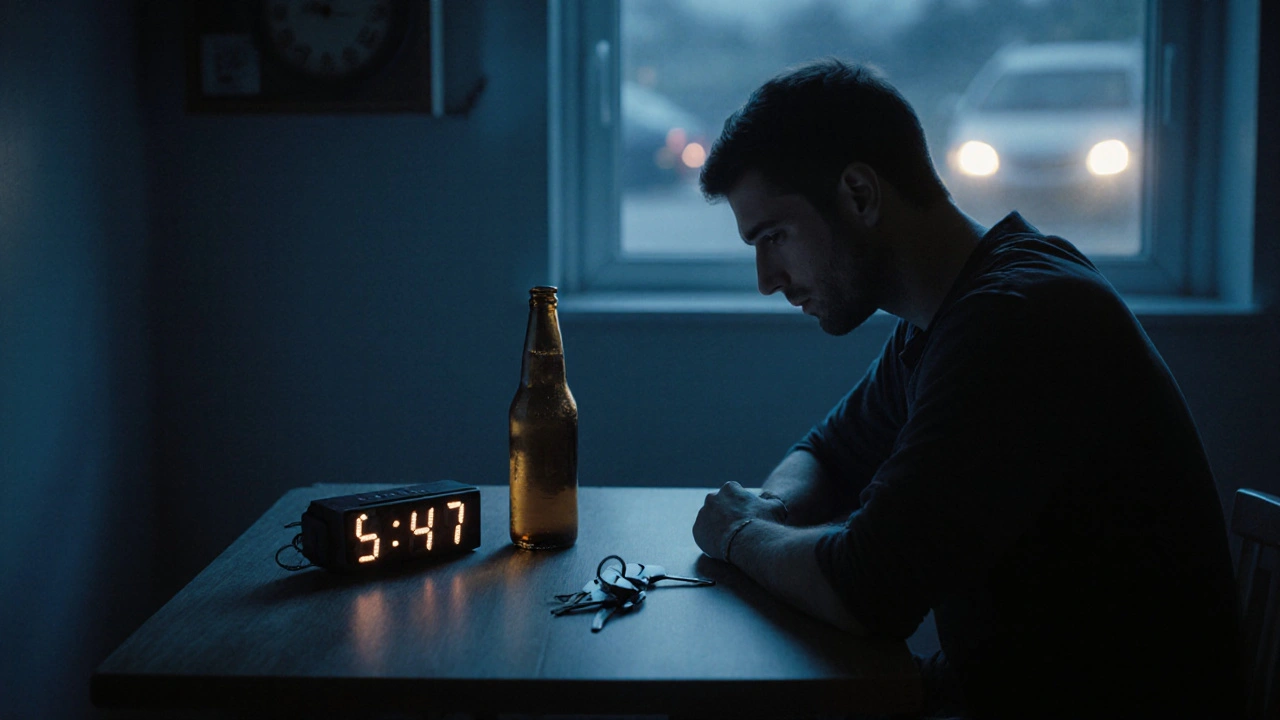
Jak dlouho neridit po pivu? Co říká věda o bezpečném čase po alkoholu
Jak dlouho opravdu trvá, než se alkohol z těla vypije? Věda a praxe ukazují, že pivo není bezpečné pro řízení ani po několika hodinách. Zjisti, kdy je skutečně bezpečné sednout za volant a jak poznat riziko závislosti.
ČÍST VÍCE