
Doba odvykání: co se děje v těle a mozku, když přestáváte záviset
When you stop using a substance or behavior you’re dependent on, your body doesn’t just hit pause—it goes through a full-scale rewrite. This process is called doba odvykání, období, kdy tělo a mozek přestávají být závislé na látkách nebo chováních, která jim dříve dodávala pocit normálu. It’s not weakness. It’s biology. Your brain has been rewired by repeated exposure, and now it’s fighting to find balance again. Whether you’re quitting alcohol, drugs, online gambling, or even excessive social media use, your nervous system is recalibrating—and that’s never easy.
What happens during abstinenční příznaky, fyzické a psychické reakce těla, které vznikají po přerušení závislosti? They vary wildly. For alcohol, you might feel tremors, nausea, or insomnia within hours. For opioids or benzodiazepines, it can turn dangerous without medical supervision. With behavioral addictions—like gambling or internet use—the withdrawal isn’t about toxins in your blood, but about dopamine crashes, irritability, and an overwhelming urge to return to the old habit. These aren’t just "feelings." They’re your brain screaming for what it thinks it needs to survive.
How long does detoxikace, fyzické vyčištění organismu od látek, které způsobily závislost take? There’s no one-size-fits-all answer. For light drinkers, symptoms may fade in a few days. For heavy, long-term users, physical detox can last weeks, and the psychological cravings? Those can linger for months. The same goes for internet or gaming addiction: the body doesn’t have a chemical hangover, but your attention span, sleep, and mood can feel shattered. That’s why závislost na alkoholu, chronická potřeba pít, která přepisuje mozek a ničí život and other dependencies need more than willpower—they need structure, support, and time.
You won’t find a magic button to make it faster. But you can make it safer. Knowing what to expect reduces panic. Understanding that cravings are temporary—not a sign of failure—keeps you going. Many people who quit alcohol or drugs say the first 30 days are the hardest, but also the most crucial. After that, your brain slowly starts rebuilding its own reward system. The same applies to digital addictions: if you stop scrolling for a week, your urge to check your phone weakens. Not because you’re strong, but because your brain is learning a new pattern.
This collection of articles doesn’t promise quick fixes. It gives you real, grounded information: what happens in your body when you stop drinking, how internet addiction rewires your focus, why gambling cravings feel like physical pain, and how to recognize when you’re not just stressed—you’re addicted. You’ll find practical steps for starting your own detox, understanding your triggers, and knowing when to reach out for professional help. There’s no shame in needing support. The only real risk is waiting too long to begin.
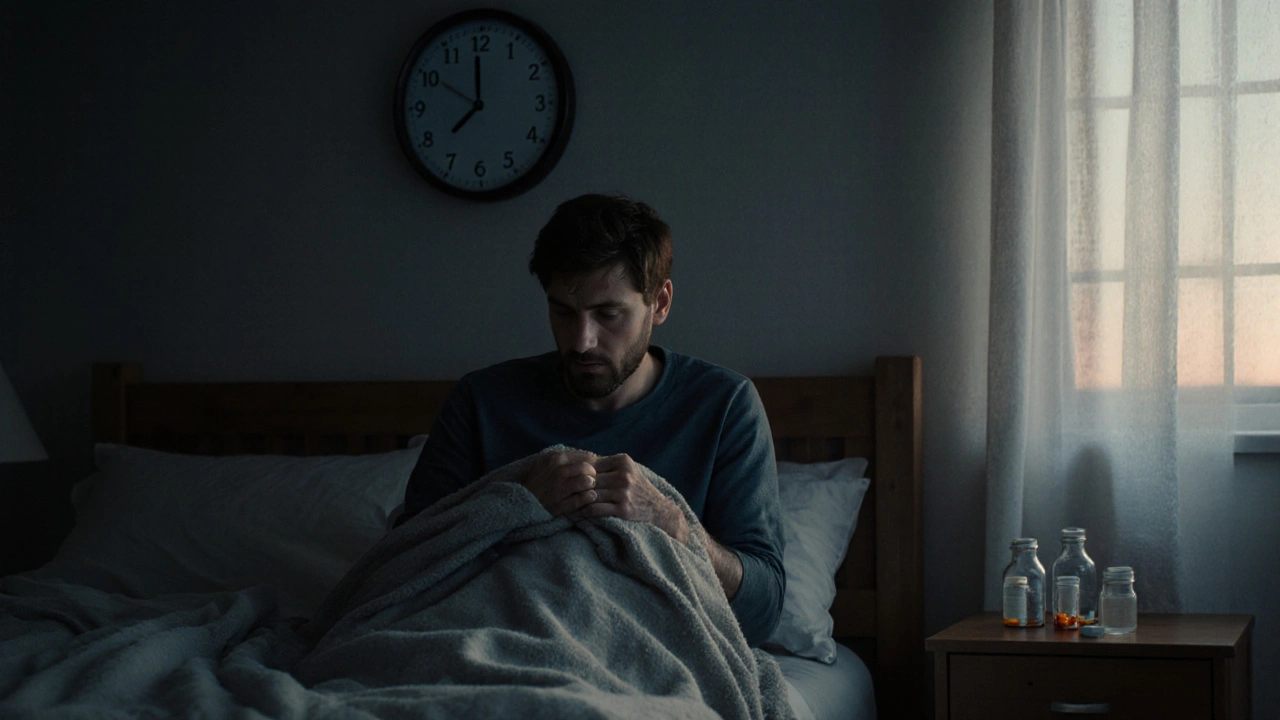
Jak dlouho trvá absťák? Reálné časové rámce detoxikace po drogách
Absťák trvá od několika dní do měsíců, podle látky a délky užívání. Fyzické příznaky ustupují rychle, ale mozek se zotavuje pomalu. Zde jsou reálné časy detoxikace a co pomáhá přežít.
ČÍST VÍCE